Do you find yourself dozing off during your favorite show or too exhausted to go out after work? Poor sleep doesn’t just make you tired—it can wreck your health, mood, and motivation. YES!! SLEEP AFFECTS EVERYTHING! I’ve been there too, and I want to share 6 natural ways to sleep better so you can wake up refreshed and ready for tomorrow.

Establish a Regular Sleep Schedule
The easiest step toward better sleep is simply setting a consistent schedule—and sticking to it. Of course, life happens: late-night events, weekends with friends, or the temptation to sleep in when you don’t have work. But when you go to bed and wake up around the same time every day, something magical happens—your body learns when to wind down and when to wake up. This natural rhythm, called your circadian rhythm, helps you fall asleep faster and wake up with more energy.
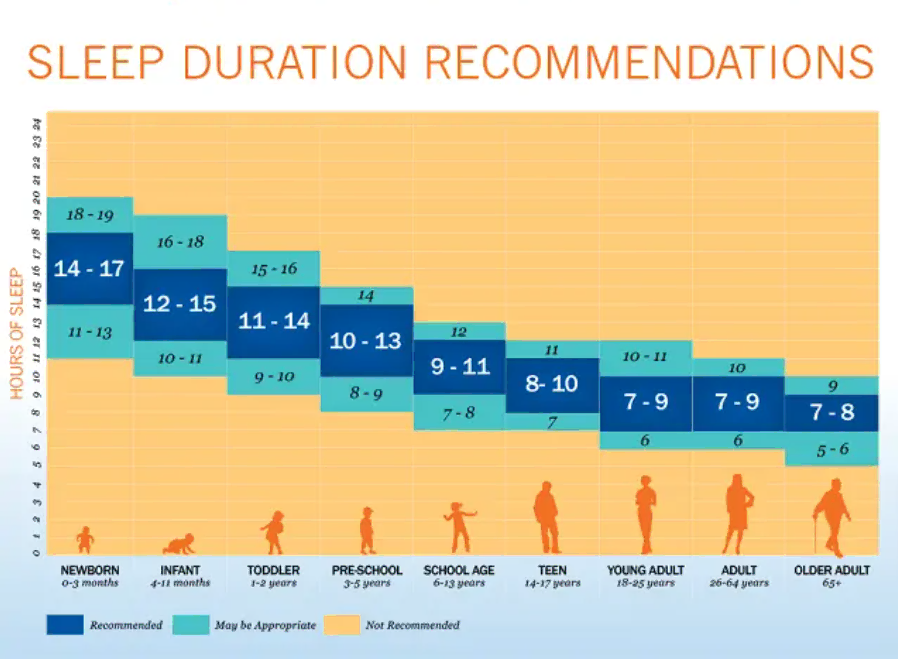
Most adult women need between 7–9 hours of sleep each night to feel their best. Try giving yourself that gift of consistency, and your body will thank you.
https://www.youtube.com/watch?v=XHOmBV4js_E
Optimize Your Sleep Environment
Your bedroom should feel like a sleep sanctuary. Three pillars of a great sleep environment is to keep it dark, quiet, and cool. Blackout curtains are my favorite to block street lights or the sun because going to sleep while it is still daylight is just wrong, a white noise machine or fan to cover distractions, and set your thermostat a little cooler at night.
Don’t forget your bed itself. A supportive mattress and comfy pillows can make a world of difference in how rested you feel in the morning. Investing in your sleep space is investing in your health.
Get Regular Exercise
Movement during the day helps you rest at night. Even 30 minutes of moderate exercise—like walking, cycling, or yoga—can improve your sleep quality. The trick is to time it right. Try to exercise earlier in the day, since working out too close to bedtime can leave your body feeling too energized to sleep.
Think of exercise as setting the stage for deeper, more restorative sleep. Bonus: it reduces stress and boosts mood, which also helps you fall asleep more easily.
https://youtu.be/p3EJuBxEjt0?si=LYS09qOeE1JxaRuY
Watch What You Eat and Drink
What you put into your body can make or break your sleep. Caffeine and alcohol are two of the biggest culprits when it comes to poor rest. Try cutting off caffeine at least 6 hours before bed, and avoid using alcohol as a “nightcap”—it may help you fall asleep quickly but often disrupts deeper sleep cycles.
Heavy meals right before bed can also cause discomfort. If you’re hungry, reach for a light, protein-rich snack like yogurt, nuts, or cheese instead of sugary or greasy foods. Your body will have an easier time relaxing, and you’ll sleep more soundly.
5 foods to consume and 5 foods to avoid before bed
-
Almonds -
bananas -
cherries -
kiwi -
warm milk
-
chocolate -
cheese -
spicy foods -
ice cream -
fatty foods
Practice Relaxation Techniques Before Bed
Stress and racing thoughts are some of the biggest sleep killers. Calming practices before bed can quiet your mind and prepare your body for rest. Here are a few techniques to try:
-
Deep Breathing: Slow, steady breaths to relax your nervous system.
-
Meditation: Focus on the present moment and let go of mental clutter.
-
Yoga: Gentle stretches to release tension and relax muscles.
-
Progressive Muscle Relaxation: Tense and release each muscle group, moving from head to toe.
Pick one or two techniques you enjoy and make them part of your nightly wind-down. Over time, your body will begin to associate them with sleep, making it easier to drift off.